Kennel Cough in Dogs: Symptoms, Vaccination and How to Help Your Dog Recover
Kennel cough gets its name because it's usually found wherever lots of dogs gather. Much like a human cold, it's highly contagious, so once one dog has it, it can spread from dog to dog very quickly.
That's why boarding kennels have strict policies. Dogs must be fully vaccinated, flea-treated and wormed, and most kennels also require a kennel cough vaccination at least two weeks before your dog's stay.
About the Kennel Cough Vaccine
The most common kennel cough vaccine in the UK is a live vaccine given up the nose (intranasally). It contains weakened forms of the bacteria and virus, so some dogs develop mild kennel cough signs, such as sneezing or a slight cough, for a few days afterwards. This is another reason kennels ask for it to be given well before boarding. Check your kennel's exact requirements when you book.
Just like a human cold, kennel cough affects dogs differently. Your dog might have a bad bout one year and barely notice it the next.

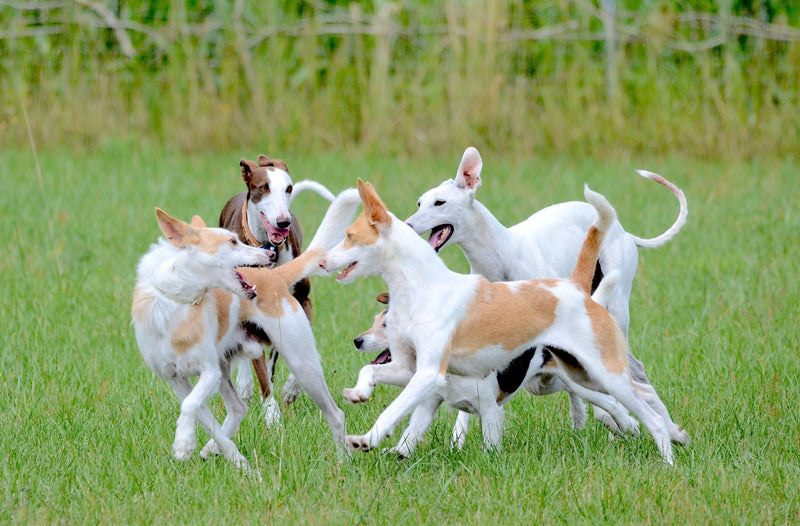
Kennel cough spreads wherever dogs meet, including the park.
And it's not just kennels. Your dog can catch kennel cough anywhere, even at the park!
What Is Kennel Cough?
Kennel cough, also called canine infectious respiratory disease (CIRD), is a common, highly contagious infection of the upper airways. It spreads easily wherever dogs gather, such as boarding kennels, groomers, daycare and parks. It often involves several pathogens at once, including:
- Bordetella bronchiseptica (bacteria)
- Canine parainfluenza virus
- Canine adenovirus type 2
- Canine influenza
The classic sign is a persistent, dry "honking" cough. Most dogs recover within one to three weeks with rest and supportive care.
Key Symptoms
- Persistent dry, honking cough (the classic sign)
- Gagging or retching, often mistaken for something stuck in the throat
- Sneezing, runny nose and watery eyes
- Mild lethargy or reduced appetite
- Occasionally, fever or vomiting
Symptoms usually appear 3 to 10 days after exposure.
How It Spreads
- Airborne droplets from coughing and sneezing
- Direct contact between dogs
- Contaminated surfaces, such as shared bowls, toys and bedding
- Crowded or poorly ventilated spaces, which increase the risk
Diagnosis
Vets usually diagnose kennel cough based on your dog's symptoms and any recent contact with other dogs. If needed, they may also use:
- Nasal or throat swab (PCR) tests
- Chest X-rays, to rule out pneumonia
- Bacterial cultures
Treatment and Care
Most cases are mild and clear up on their own. Typical care includes:
- Rest and reduced activity
- Cough suppressants, only if prescribed by your vet
- Antibiotics, only when a bacterial infection is suspected (for example, thick green or yellow nasal discharge)
- Humidified air or steam, such as sitting in a steamy bathroom, to soothe the airways
- Walking on a harness instead of a collar, to avoid pressure on the throat
- Keeping your dog away from other dogs until they've stopped coughing
Most dogs recover in 10 to 14 days, though some take up to three weeks.
When to See a Vet
- Lethargy
- Difficulty breathing
- Loss of appetite
- A fever
- A moist (productive) or worsening cough
Prevention
- Vaccinate against kennel cough, usually as a yearly nose-drop vaccine in the UK
- Avoid busy dog areas during local outbreaks
- Clean shared items like bowls, toys and bedding regularly
Vaccination reduces the severity of kennel cough but doesn't protect against every cause, so vaccinated dogs can still catch it.
From Experience
Over the years, I've seen many dogs with kennel cough, and they all react differently. Some go off their food, so I've tempted them with a little warm, plain cooked chicken, or even a small amount of honey on toast, just so they're eating something.