Heatstroke in Dogs: Warning Signs, Risks and Emergency Action
Heat Waves
The UK — and much of the world — has been experiencing some of the hottest days and months ever recorded. And yet owners are still taking their dogs out in the heat.
Dogs lose heat mainly through panting and can only sweat through their paws, which puts them at high risk of heatstroke. Knowing the warning signs, and acting fast, can be the difference between a scare and a tragedy.

On hot days, shade and cool water are not optional extras.
Shade and 24-Hour Access to Water
- Provide constant shaded areas both inside and outside
- Make sure cold, clean water is always available
Keeping Your Dog Cool
- Use pet-safe sunscreen on the tips of the ears and the tip of the nose
- Brush your dog regularly to keep the coat thin and free of knots and matts
- Frozen treats are a great way to keep dogs cool and are mentally enriching
- Water sprinklers and dog paddling pools are a fun way to cool your dog down
Never Leave a Dog in a Car

A parked car heats up far faster than most owners realise.
- Flat-faced breeds such as Bulldogs and French Bulldogs, and any other short-nosed dog, could die within 6 minutes
- Thick-coated breeds such as Huskies and Malamutes can overheat after 6 minutes and could die within 10 minutes
Risk Factors
Certain dogs are far more vulnerable to heatstroke:
- Brachycephalic breeds — short-nosed dogs such as Bulldogs, Pugs and Boxers
- Puppies and senior dogs
- Overweight dogs
- Dogs with underlying health conditions such as heart disease, hypothyroidism or laryngeal paralysis
Walking in Hot Weather
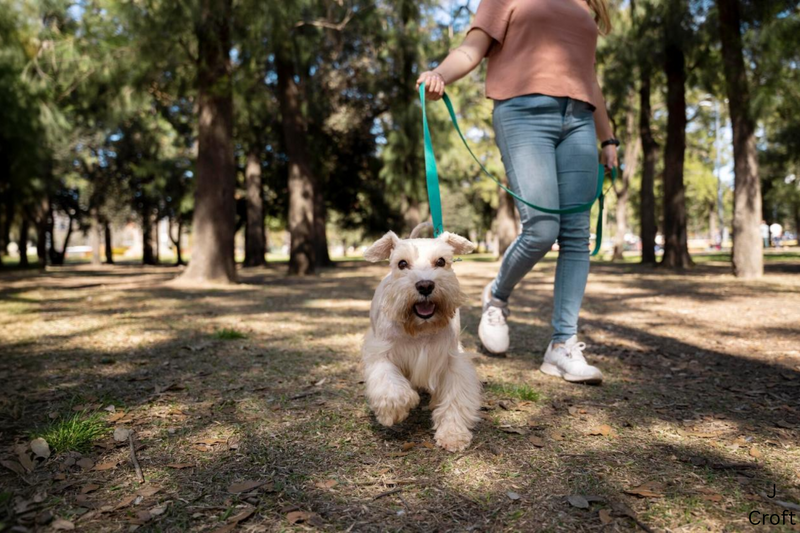
If you do have to take your dog out, walk first thing in the morning before 9am or in the evening once it has cooled down.
Signs of Heatstroke
Early signs:
- Excessive panting or rapid breathing as the dog struggles to cool down
- Bright red or dark gums
- Drooling or foaming at the mouth
- Restlessness, anxiety or pacing
- Seeking shade, water or cool surfaces
- Lethargy or reluctance to move
- Muscle cramps or spasms caused by dehydration and electrolyte imbalance
Moderate to severe signs:
- Vomiting or diarrhoea
- Weakness or a staggering gait
- Disorientation, confusion or unresponsiveness
- Seizures
- Collapse or an inability to stand
- Pale, blue or purple gums, indicating poor circulation
- Rapid heartbeat or irregular pulse
- Excessive drooling and thick saliva
- A body temperature above 40°C (104°F), with critical danger above 41°C (105.8°F)
Emergency Response
- Move the dog to a cool, shaded area or air-conditioned space
- Apply cool — not ice-cold — water to the belly, armpits, groin and paws
- Monitor body temperature and stop cooling at around 39.4°C (103°F) to avoid overshooting into hypothermia
- Transport to a veterinarian immediately, even if the dog appears to recover, as internal damage may not be visible
Recognising these signs early and acting quickly can save your dog's life and prevent permanent organ damage.
Helpful Tips for Hot Days
When it is too hot to walk, tire your dog out indoors instead:
- Run short training sessions — learn a new trick or command
- Dog puzzles are excellent for burning excess energy. A single 5-minute puzzle session is roughly equivalent to an hour of physical exercise
- Scent games, or even hide and seek around the house with the family